
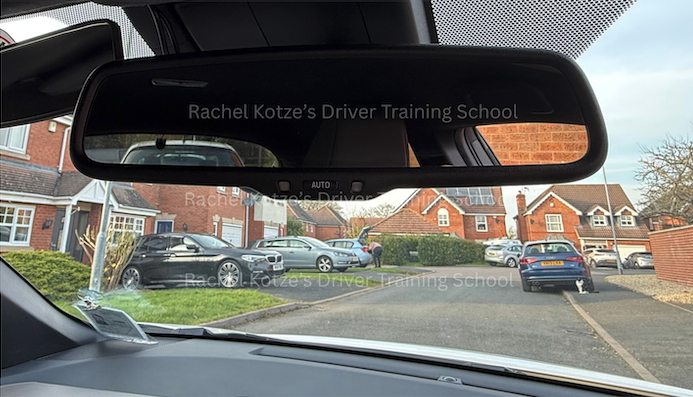
When we think about driving, it’s easy to focus on convenience and getting from point A to point B. But with thousands of accidents occurring each year, road safety should be a top priority for every driver. Fortunately, organisations like the Road Safety Trust are working hard to make our roads safer and you might be surprised to learn how they can help you improve your driving skills.
What is the Road Safety Trust?
The Road Safety Trust is a UK-based charity dedicated to improving road safety through evidence-based research, funding, and innovation. Their core mission is to make the roads safer for all users drivers, cyclists, pedestrians, and passengers alike. One of the ways they do this is by funding projects that develop new ideas, technologies, and educational campaigns designed to reduce road casualties.
You can learn more about their work and current projects on their website:
👉 Road Safety Trust – What We Do
Why Hazard Perception Matters
One of the key skills the Trust and other road safety advocates emphasise is hazard perception. Simply put, this means being able to recognise potential dangers on the road before they become accidents. It could be a cyclist swerving to avoid a pothole, a pedestrian stepping out between parked cars, or a driver braking suddenly in wet weather.
Hazard perception isn’t just about reacting quickly. It’s about anticipating what could happen and taking early action to reduce risk. This might mean slowing down, changing lanes, or giving extra space to other road users. With practice, you can train your brain to spot risks earlier and make better decisions in the moment.
Here’s a helpful video to illustrate how hazard perception works in real time:
🎥 Watch here
Can Drivers Improve Their Skills?
Absolutely. Driving is not a skill that peaks when you pass your test—it’s something you can (and should) continue to develop over time. By becoming more aware, staying up-to-date on best practices, and learning from real-world situations, you’ll not only protect yourself but also contribute to safer roads for everyone.
Small improvements in awareness and attitude, such as being more courteous, checking mirrors more frequently, or reducing distractions, can make a significant difference. The Road Safety Trust supports initiatives that encourage this kind of personal development, from young driver education to innovative digital tools and simulation training.
A Final Word
If you’re someone who cares about being a better, safer driver, take a few moments to explore the Road Safety Trust’s website and resources. You might just find something that resonates or inspires you to sharpen your driving skills further.
After all, safety on the road isn’t just about avoiding accidents; it’s about creating a culture of care, responsibility, and lifelong learning behind the wheel. And that starts with each of us.