
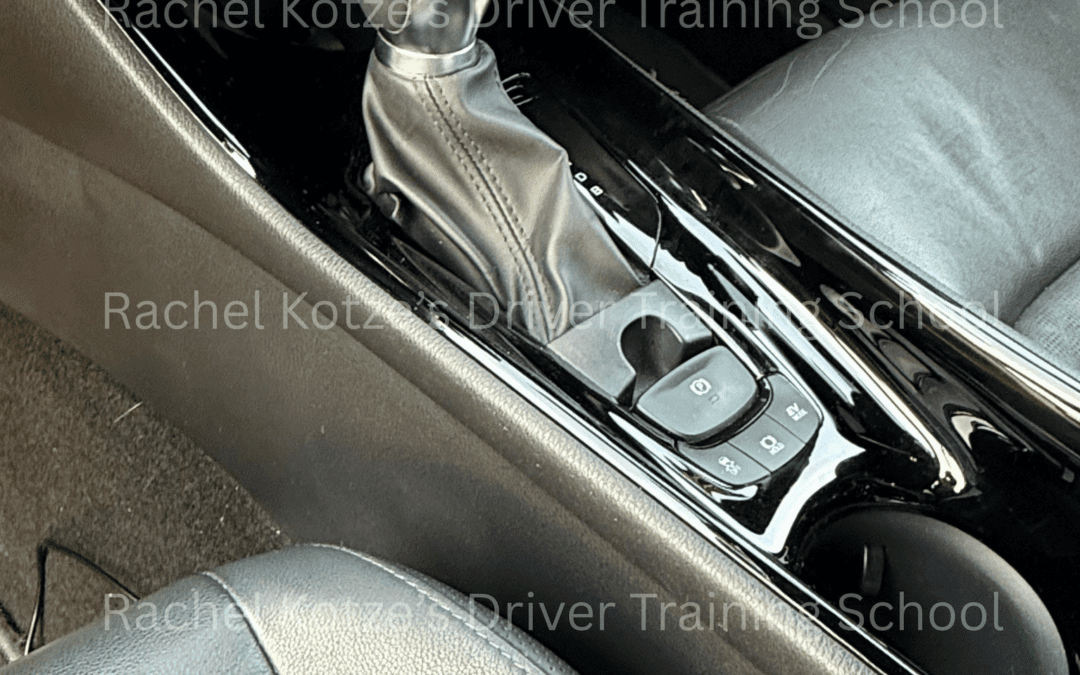
Choosing between learning to drive a manual or automatic car is one of the first big decisions you’ll face as a learner driver. While manual driving has long been the standard in the UK, there’s been a noticeable shift in recent years, and automatic cars are now more popular than ever, especially among new drivers.
Here are five compelling reasons why learning to drive an automatic car might be the right decision for you.
1. Easier to Learn and Less Stressful
The most immediate benefit of learning in an automatic car is the simplicity. With no clutch pedal and no need to manually change gears, the driving experience becomes much more straightforward. You don’t have to worry about stalling at traffic lights or mastering complex gear changes.
For many learners, this makes a huge difference. Without the distraction of gear control, you can fully concentrate on your surroundings, traffic, and hazard perception all essential for safe driving. This simpler learning process often results in less anxiety behind the wheel and a more enjoyable experience overall.
2. Quicker Path to a Driving Licence
Because there’s less to master in an automatic vehicle, learners often require fewer lessons to become test-ready. Fewer lessons mean lower costs and a shorter journey from first drive to test day. Many automatic learners pass their practical driving test sooner than their manual-driving peers.
If your main goal is to become an independent driver as soon as possible, learning in an automatic can be a time-saving choice. It allows you to focus on the rules of the road and good decision-making, rather than spending weeks trying to perfect hill starts or gear changes.
3. Ideal for City and Stop-Start Driving
Urban driving can be exhausting in a manual car. Constant stopping and starting in traffic, juggling clutch control, and shifting gears becomes tiring especially during long commutes or in heavy congestion.
Automatic cars handle all of that for you. With seamless gear transitions and no need to press the clutch every time you slow down, city driving becomes much more comfortable and less physically demanding. It also allows you to focus more clearly on pedestrians, cyclists, road signs, and ever-changing traffic conditions.
4. A Great Option for Nervous or Older Learners
Some learners find driving overwhelming, particularly if they’ve had a negative experience in the past or are learning later in life. For these individuals, automatic cars provide a far less intimidating route into driving.
By eliminating one of the trickiest parts of manual driving gear and clutch coordination, automatics allow nervous learners to build confidence more quickly. They can focus on mastering steering, observation, and positioning without the fear of stalling or rolling backwards on a hill.
5. Future-Proofing: The Shift Towards Automatic and Electric
Perhaps the most important reason to consider automatic driving is the direction the automotive world is heading. With electric vehicles (EVs) becoming more widespread and all EVs being automatic by nature, the long-term future of manual cars is uncertain.
The UK government plans to ban the sale of new petrol and diesel cars by 2035, which will drastically reduce the availability of manual transmission vehicles. Learning to drive an automatic now could save you from needing to adapt later, as more employers and car hire companies also begin to favour automatics.
Final Thoughts
While manual driving still has its place, there’s no denying that automatic cars offer a wide range of benefits — especially for new, nervous, or urban drivers. From ease of use and quicker test readiness to a more relaxed driving experience and alignment with future trends, automatic driving is a smart, modern choice.
If you’re not planning to drive manually in the future and want to get on the road quickly and confidently, learning to drive an automatic might be the best decision you make.